
What To Know
What to know aboutSpecial Needs Dentistry
Everyone deserves a healthy mouth and a dental visit that feels manageable. For people with physical disabilities, autism, sensory sensitivities, intellectual or developmental disabilities, or complex medical conditions, a standard appointment may not fit. Special needs dentistry means adapting how care is delivered, so that cleanings, exams and treatment are possible in a way that respects the person in the chair.
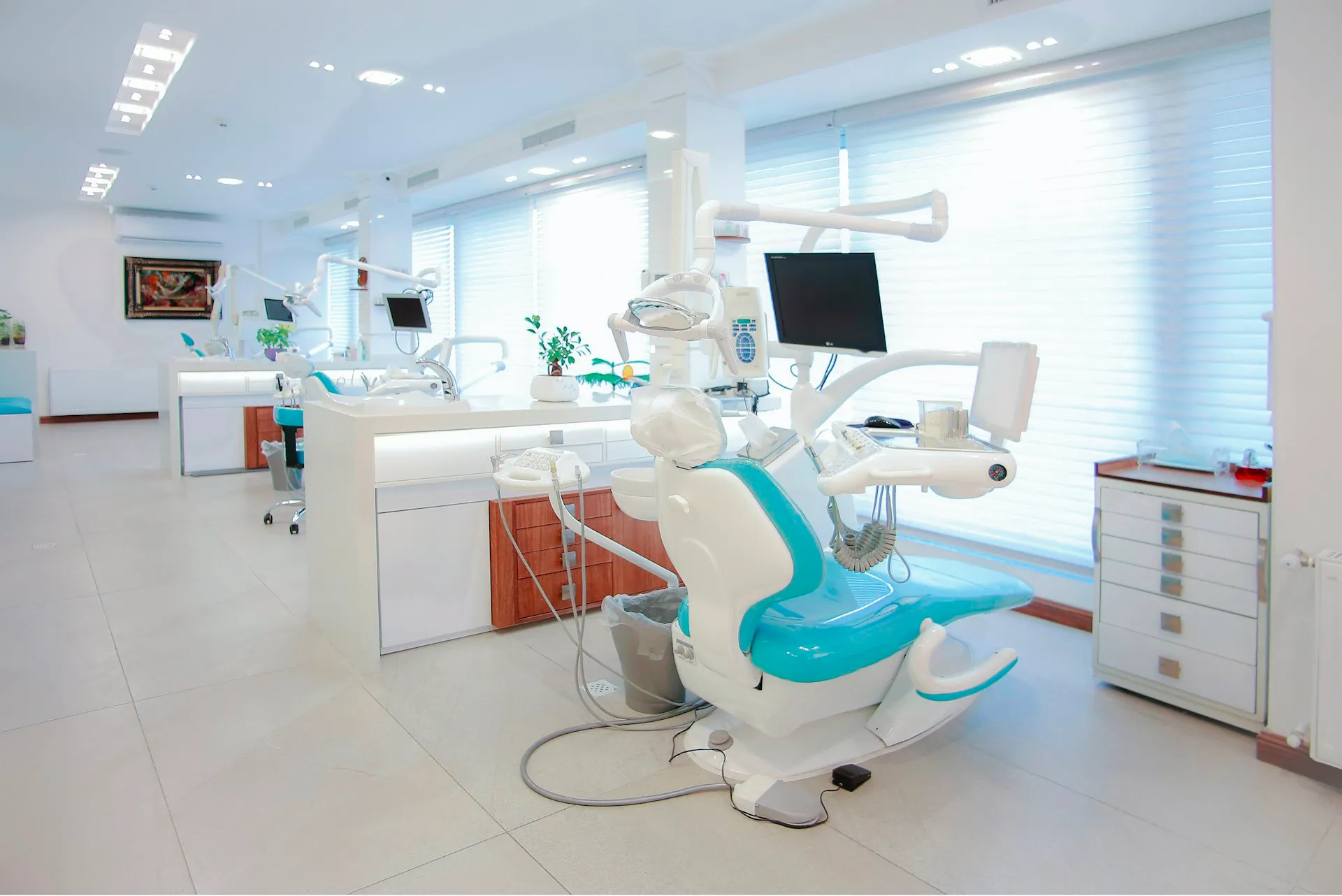
Adaptations depend on the individual. Some patients do best with a quiet room, dimmed lights, fewer sounds and a predictable sequence of steps. Others need extra time, a familiar caregiver beside them, frequent breaks, or a chance to visit and get used to the office before any treatment. Patients who use a wheelchair may be treated in their chair where that is safer and more comfortable.
Many people with special needs face a higher risk of dental problems. Some medications reduce saliva or cause gum overgrowth, limited dexterity can make brushing and flossing harder, and some conditions make it difficult to say when something hurts. Regular preventive visits, fluoride, sealants and a home-care routine that works for the patient and caregiver help catch problems early.
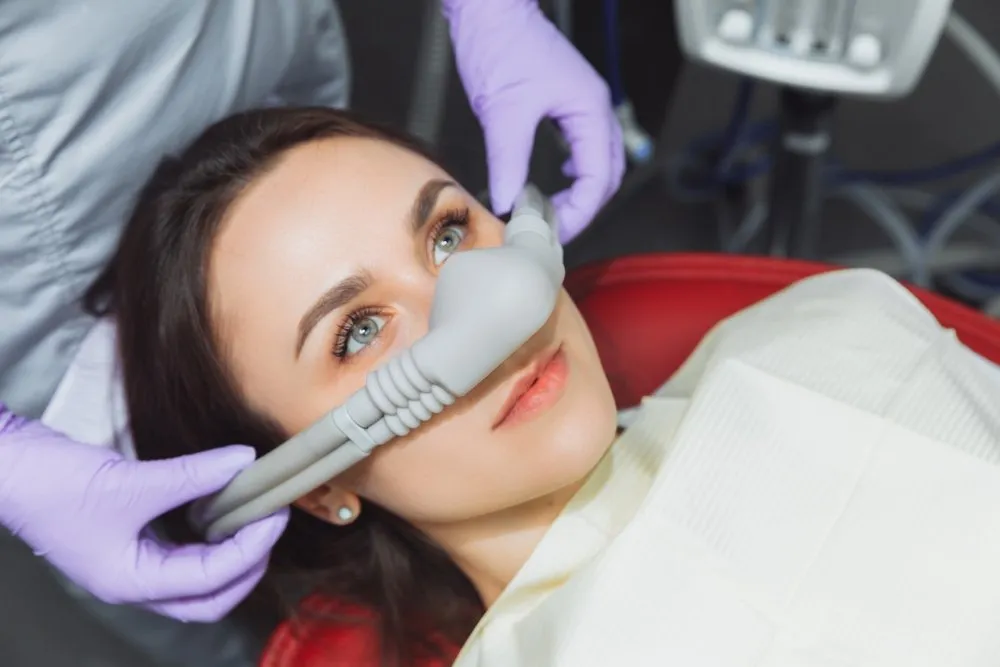
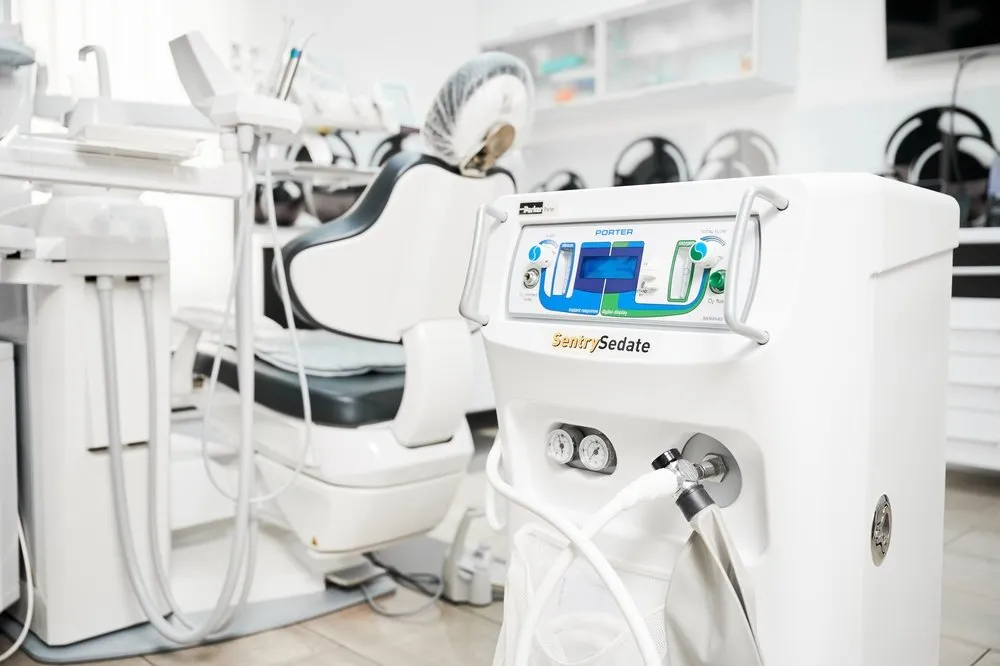
When treatment is needed and a calm, adapted visit is not enough, sedation options may be discussed, and in some cases care is coordinated with a physician or provided in a hospital setting. The goal is always the least invasive approach that allows safe, effective treatment.

Questions
Frequently askedquestions
Answers to the questions patients ask us most, so you feel prepared before your visit.
What is special needs dentistry?
Special needs dentistry is dental care adapted for people with physical, sensory, developmental, intellectual or medical conditions that make a standard visit difficult. The treatments themselves, such as cleanings, fillings and extractions, are familiar. What changes is how the visit is planned and delivered, including the pace, the environment, communication and the involvement of caregivers.
Who can benefit from special needs dental care?
Children, teens and adults with autism, Down syndrome, cerebral palsy, intellectual disabilities, sensory processing differences, dental anxiety related to a condition, mobility limitations or complex medical histories may all benefit. If a regular dental visit has been hard for you or someone you care for, it is worth talking with us about what adaptations could help.
How do you help patients with sensory sensitivities?
We can dim the lights, reduce noise, offer sunglasses or a weighted blanket where appropriate, and limit the number of people in the room. We explain or show each instrument before using it and keep the steps in a predictable order. Telling us in advance what is hard, such as certain sounds, textures or tastes, helps us plan.
Can a caregiver stay in the room?
Yes. Parents, family members and caregivers are welcome to stay and often help the patient feel secure. They can also share what works at home, help with communication and learn the home-care routine. We will talk with you beforehand about how you would like to be involved during the visit.
Can I be treated in my wheelchair?
In many cases, yes. Depending on the treatment and the wheelchair, some care can be provided without transferring to the dental chair, which may be safer and more comfortable. If a transfer is needed, we plan it together with the patient and caregiver so it is done carefully and at a comfortable pace.
What happens at the first visit?
The first visit is usually short and focused on getting comfortable. We review the medical history and medications, talk about communication and sensory needs, and let the patient explore the room and chair. If the patient is ready, we may do a gentle exam or cleaning. If not, that is fine, and we build up over the next visits.
Is sedation an option?
For some patients, yes. When an adapted visit is not enough to provide safe and effective treatment, we can discuss sedation options suited to the patient's health and needs. In some situations, care is coordinated with a physician or provided in a hospital setting. We always look for the least invasive approach that works.
Why are dental problems more common for some people with special needs?
Several factors can contribute. Some medications reduce saliva or affect the gums, limited hand movement can make brushing and flossing harder, and some patients find it difficult to say when something hurts. Regular preventive visits, fluoride and a realistic home-care routine help catch and prevent problems early.
How can caregivers help with daily oral care?
We can show you practical techniques, such as positioning for brushing, adaptive toothbrush handles, electric toothbrushes and flossing aids, and help you set up a simple routine that fits the patient's day. Consistency matters more than perfection, and we can adjust the routine at each visit based on what is working.

Serving Savannah, Pooler
and Port Wentworth
Our studio is at 492 Jimmy DeLoach Pkwy, Suite 104, Savannah, GA 31407, in The Highlands, just off I-95. It is an easy drive from downtown Savannah, Pooler and Port Wentworth, with parking right outside.
New Patients Welcome