
What To Know
What to know aboutInlays & Onlays
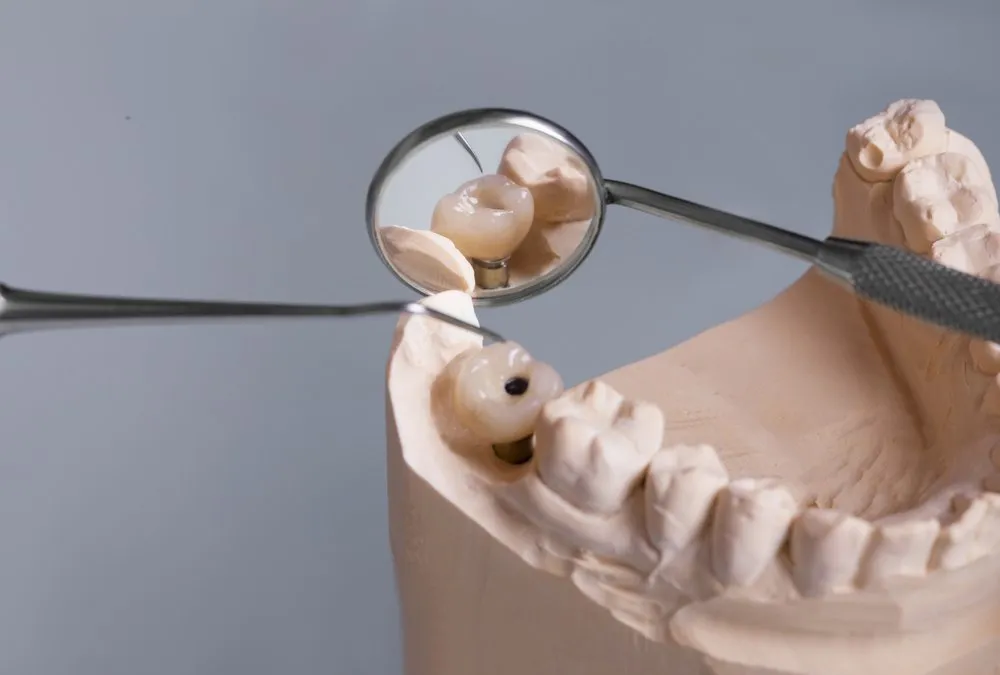
Inlays and onlays are restorations that fall between fillings and crowns in size and purpose. At Veda Dental Studio, we use inlays and onlays to repair teeth that have damage too large for a traditional filling but not severe enough to require a full crown. Made from porcelain, gold, or composite materials and fabricated outside the mouth, they offer a more durable and conservative restoration option than large fillings while preserving more natural tooth structure than crowns.
The difference between inlays and onlays is the area they cover. An inlay fits within the cusps (the raised points) of a back tooth, similar to a filling but made in a lab for a more precise fit. An onlay covers one or more cusps in addition to the area between them, extending up over the chewing surface to protect a more significantly damaged tooth. Onlays are sometimes called partial crowns because they protect a substantial portion of the tooth without covering the entire visible surface like a full crown.
Modern inlays and onlays are typically made from porcelain or zirconia, which look natural and bond strongly to the tooth. The procedure usually takes two visits: the first for tooth preparation and impression, the second for placement of the lab-made restoration. Some practices offer same-day inlays and onlays using in-office CAD/CAM milling technology. With proper care, inlays and onlays typically last 15 to 30 years, often outlasting traditional fillings significantly while preserving more natural tooth than crowns require.


Questions
Frequently askedquestions
Answers to the questions patients ask us most, so you feel prepared before your visit.
What's the difference between an inlay and an onlay?
An inlay fits within the cusps (raised points) of a back tooth, similar to a filling but made in a lab. An onlay covers one or more cusps and extends over the chewing surface to protect a larger area of damage. Onlays are sometimes called partial crowns because they protect a substantial portion of the tooth without covering the entire visible surface.
How long do inlays and onlays last?
Inlays and onlays typically last 15 to 30 years with proper care, often outlasting traditional fillings significantly. Longevity depends on the material used, the location and size of the restoration, your bite, and habits like grinding. Porcelain inlays and onlays last well, and gold restorations (less common today) can last 30 years or more.
Are inlays and onlays better than fillings?
For medium-sized restorations, yes. Inlays and onlays are more durable than large composite fillings, fit more precisely (which reduces the risk of decay around the restoration), and don't shrink or expand the way large fillings can. For small to medium restorations, traditional fillings are still the best choice because they're more affordable and equally effective at that size.
Are inlays and onlays better than crowns?
When the damage is the right size for an inlay or onlay, yes, because they preserve more natural tooth structure. Crowns require removing more healthy tooth to place. For severely damaged teeth, root-canal-treated teeth, or teeth with very large restorations, a crown is the better choice because it provides full coverage and protection. The right restoration depends on the specific tooth.
Are inlays and onlays painful to get?
The procedure is comfortable. Local anesthesia numbs the tooth completely during preparation and placement. Some patients experience mild sensitivity for a few days after placement, particularly to hot or cold, which typically resolves on its own. The appointment itself feels similar to getting a filling or crown.
How are inlays and onlays placed?
The traditional process takes two visits. At the first, the tooth is prepared, decay is removed, and an impression or digital scan is taken. A temporary restoration is placed while the permanent restoration is made in a lab. At the second visit, the temporary is removed and the permanent inlay or onlay is bonded into place. Some practices offer same-day options using in-office milling technology.
Will my insurance cover inlays and onlays?
Most dental plans include inlays and onlays as major restorative benefits, with coverage varying from plan to plan. One feature worth understanding is the alternate benefit clause, where some plans pay only up to what they would have paid for a large composite filling on that tooth, even when your dentist has recommended an inlay or onlay as the better long term repair, which leaves a balance even though the treatment is covered. Plans also generally apply a deductible first, cover a share rather than the full amount, and have an annual maximum. Give our office your plan information and we will verify your benefits and provide an estimate before treatment begins.
Can I get a same-day inlay or onlay?
Yes, practices with in-office CAD/CAM milling technology can fabricate and place inlays and onlays in a single appointment, typically lasting 1 to 2 hours. Same-day restorations offer convenience and eliminate the need for a temporary, but the results are very similar to lab-fabricated options. Both are excellent choices, and the right one depends on your situation and the practice's technology.

Serving Savannah, Pooler
and Port Wentworth
Our studio is at 492 Jimmy DeLoach Pkwy, Suite 104, Savannah, GA 31407, in The Highlands, just off I-95. It is an easy drive from downtown Savannah, Pooler and Port Wentworth, with parking right outside.
New Patients Welcome