

What To Know
What to know aboutBridges
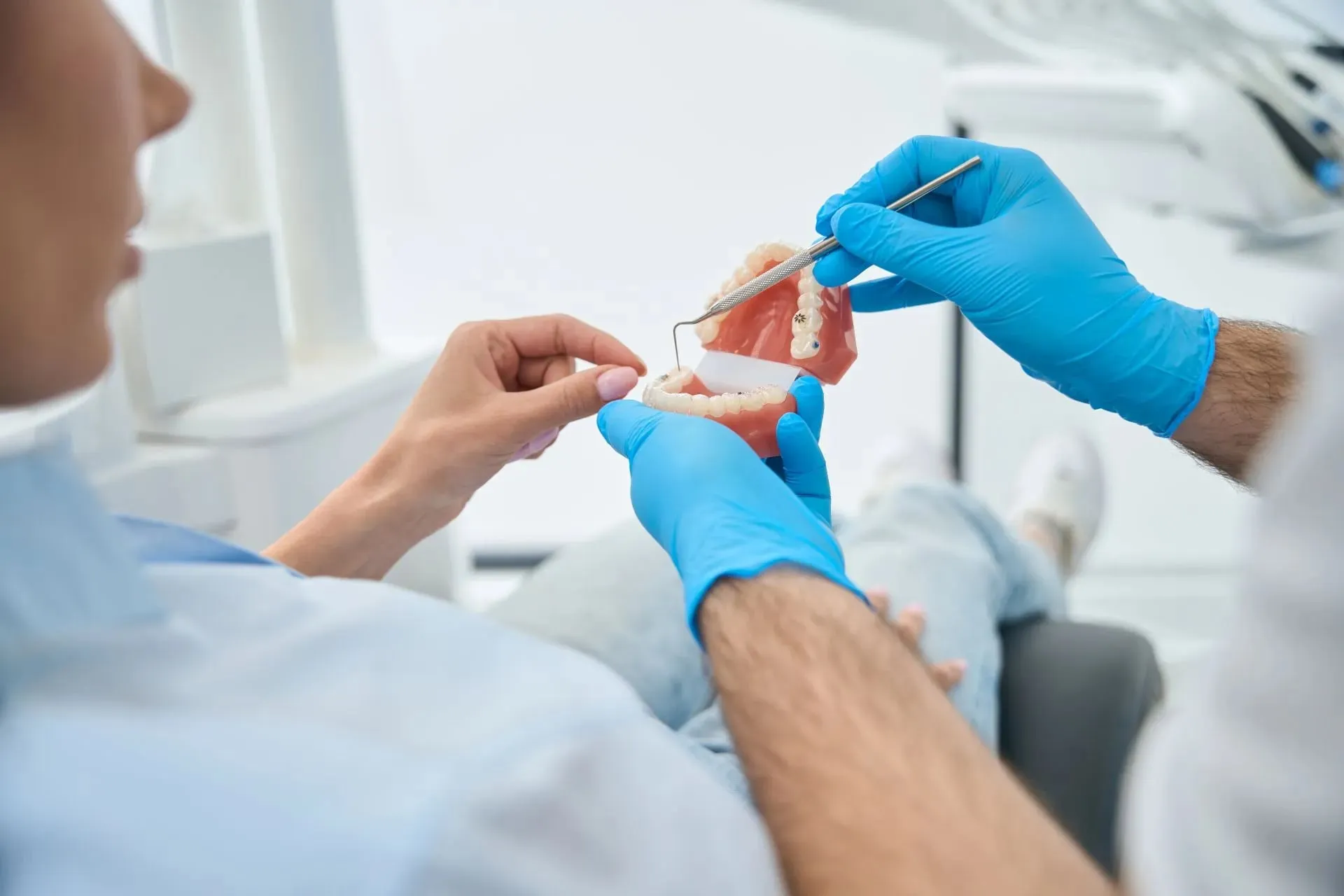
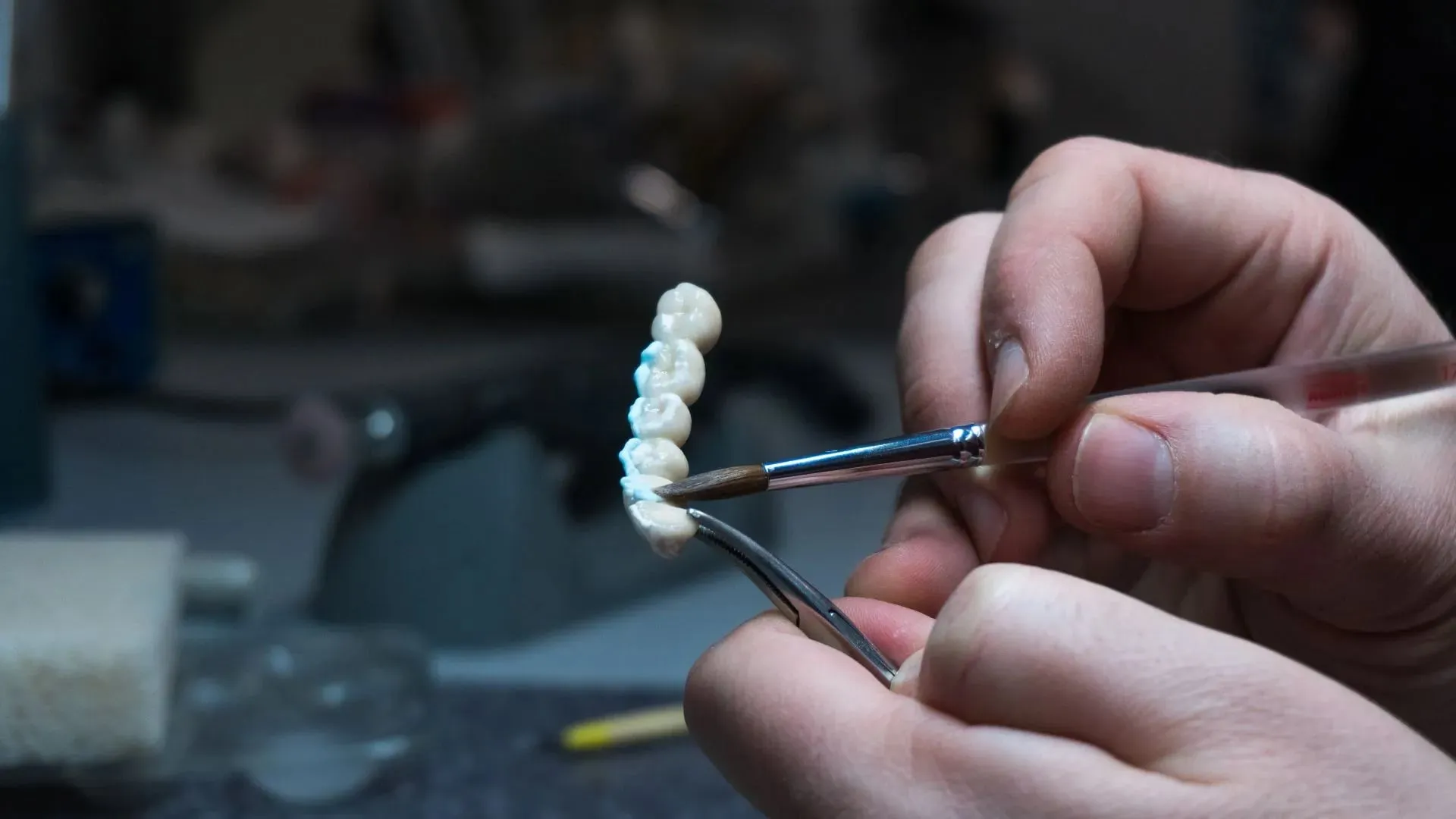
A dental bridge is a fixed restoration that replaces one or more missing teeth by anchoring a replacement tooth (called a pontic) between two crowns placed on the adjacent natural teeth. At Veda Dental Studio, bridges are used to restore both function and appearance after tooth loss, allowing patients to chew, speak, and smile confidently again. Unlike removable partial dentures, a bridge is cemented permanently in place and stays in your mouth at all times.
There are several types of dental bridges. Traditional bridges, the most common type, use crowns on the teeth on either side of the gap to support a pontic in the middle. Cantilever bridges are anchored on only one side and are used in specific situations where there's only one natural tooth available. Maryland bridges use a metal or porcelain framework bonded to the back of adjacent teeth, preserving more of the natural tooth structure. Implant-supported bridges anchor to dental implants instead of natural teeth and are an excellent option when multiple adjacent teeth are missing.
When teeth are missing, the surrounding teeth often shift over time, which can cause bite problems, gum disease, and additional tooth loss. Replacing missing teeth with a bridge stops this shift and protects your long-term oral health. The bridge procedure typically takes two appointments. The first prepares the supporting teeth and takes impressions, and the second places the permanent bridge. With proper care, a dental bridge typically lasts 10 to 15 years and often longer.

Questions
Frequently askedquestions
Answers to the questions patients ask us most, so you feel prepared before your visit.
How long do dental bridges last?
Dental bridges typically last 10 to 15 years with proper care, and many last considerably longer. Longevity depends on oral hygiene, the health of the supporting teeth, and habits like grinding. The bridge itself can last decades, but the supporting teeth must remain healthy for the bridge to stay in place, which is why regular dental visits are essential.
Can I eat normally with a dental bridge?
Yes, most patients can return to a normal diet within a few days of getting a bridge. There may be a brief adjustment period as you get used to the feel of the new restoration, and we recommend avoiding sticky or very hard foods initially. Once adjusted, you can eat virtually anything you ate before, with the exception of habits like chewing ice.
How do I clean under a dental bridge?
Cleaning under a bridge requires special tools because traditional flossing won't work. A floss threader or specialized bridge floss allows you to slide floss under the pontic and clean the space between the bridge and your gums. Water flossers are also extremely effective. We teach you the proper technique at the bridge placement appointment.
Are bridges removable?
No, traditional dental bridges are fixed restorations that are cemented permanently to the supporting teeth. They are not removable by the patient. This is one of the major advantages of bridges over partial dentures, which must be removed daily for cleaning. Only your dentist can remove a bridge if necessary.
What are the alternatives to a dental bridge?
Alternatives include dental implants, partial dentures, and in some cases leaving the gap untreated (though this is not usually recommended). Dental implants are often considered the gold standard because they don't require modifying adjacent teeth and they preserve bone in the area. Partial dentures are more affordable but less stable. We discuss all options at your consultation.
Will a bridge feel like my natural teeth?
Most patients adjust to a bridge within a few days. Once adjusted, the bridge feels comfortable and functions much like natural teeth. There may be slight differences when chewing certain foods, but speech, smile, and most daily activities feel completely normal. Modern bridges are designed for both function and comfort.
Do dental bridges damage the supporting teeth?
Bridges require the supporting teeth to be reshaped to receive crowns, which removes some natural tooth structure. While this is a permanent modification, it's necessary to provide stable support for the bridge. The supporting teeth are then protected by the crowns and typically remain healthy for many years. Dental implants are an alternative that doesn't require modifying adjacent teeth.
Will my insurance cover a dental bridge?
Most dental plans include bridges as a major restorative benefit when a bridge is needed to replace a missing tooth. Plans generally apply a deductible first and cover a share of the cost rather than the full amount, and most have an annual maximum that a bridge can use a significant portion of. Many plans also include a missing tooth clause, which can exclude coverage if the tooth was already missing before your policy began, and some apply a waiting period before major treatment is covered. Implant supported bridges are handled differently by many plans, sometimes under a separate implant provision or not at all. Give our office your plan information and we will verify your benefits and provide an estimate before treatment begins.

Serving Savannah, Pooler
and Port Wentworth
Our studio is at 492 Jimmy DeLoach Pkwy, Suite 104, Savannah, GA 31407, in The Highlands, just off I-95. It is an easy drive from downtown Savannah, Pooler and Port Wentworth, with parking right outside.
New Patients Welcome